
Although not classified as a disease, substance abuse is a very destructive addiction that all too often ruins lives. Unfortunately, despite the risks associated with drug use, large numbers of individuals continue to experiment and regularly use one or several forms of dangerous substances. Being informed about the most commonly used drugs and their long-term effects can be useful.
Mood Altering Drugs: The Stimulants
Cocaine, heroin, and crank cocaine are mood altering drugs that belong to the “stimulants” drug classification. These stimulants work by increasing neural activity in the brain, causing the user to feel confident and euphoric.
Cocaine:
Cocaine is extracted from the leaves of the cocoa plant and mixed with a variety of other chemicals to form a white powder. When cocaine is absorbed by the body, a variety of pleasurable neurochemicals are released into the system. Dopamine, one such chemical, produces such euphoria that a great number of first-time users want to repeat the experience. Cocaine addiction is prevalent due to its highly addictive nature. See cocaine withdrawal symptoms.
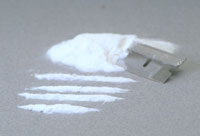 Long-term physical and psychological effects: It is not uncommon to overdose on cocaine when high doses are taken. An overdose of this drug can cause a heart attack or stroke, kidney failure, or brain hemorrhage. Long-term effects may include: depression, aggressive or violent behavior, hallucinations, tumors, sleeplessness, tremors and muscle pain.
Heroin:
Heroin is processed from morphine which is a naturally occurring substance taken from the seedpod of the Asian poppy plant. On the street Heroin is commonly known as skag, H and junk. The drug is usually injected, snorted, or smoked. It is so highly addictive that it is possible to get hooked after just one use.
 Long-term physical and psychological effects: Heroin addiction is not easily overcome. The drug is related to infectious diseases such as HIV/AIDS, Hepatitis B and C, infection of heart lining and valves, arthritis, collapsed veins and abscesses. See heroin withdrawal symptoms.
Crank Cocaine:
Crack is the name that is given to cocaine that has been processed using baking soda or ammonia and then transformed into a more powerful rock form. It is highly likely that a user will become addicted to the drug after one use. Crack cocaine is generally smoked, but it is possible to inject or snort the drug.
Long-term physical and psychological effects: Crank cocaine can cause severe depression, mood disturbances, aggressive and paranoid behavior, psychosis, heart attack, heart disease, stroke, respiratory failure, brain seizure, sexual dysfunction, reproductive damage and death.
Club Drugs
The term “club drugs” refers to a number of drugs that are commonly used at all-night parties such as raves and in dance clubs and bars. The most common ones include LSD or Acid, ecstasy and methamphetamine. These drugs are no less dangerous than cocaine and heroin, and often have the same destructive effects.
LSD:
Also known as tabs, trips or sugar cubes, LSD is the most commonly used hallucinogen and one of the most powerful mood and behavior altering chemicals on the market. LSD is usually found on blotter paper and taken orally.
The long-term physical and psychological effects: Most chronic users of LSD experience intense flashbacks after prolonged exposure to the drug. In addition, the user may see trails of light or color even when not using the drug. The drug has the ability to significantly increase heart rate and can cause damage to their heart.
Methamphetamine:
Commonly called speed, meth or chalk, this is an incredibly powerful and addictive stimulant that affects the central nervous system. The drug can be made quite easily in illegal home laboratories, using inexpensive, over-the-counter ingredients. Methamphetamine is odorless and colorless and is taken orally or smoked.
The long-term physical and psychological effects: Extreme fatigue, increased appetite, mental illness, suicide, hallucinations, aggressive and violent behavior, brain damage, behavior similar to paranoid schizophrenia are related to the use of methamphetamine. See cocaine methamphetamine symptoms.
Ecstasy:
Also known as E, Roll and X, ecstasy is a synthetic drug with amphetamine and hallucinogenic-like properties. The drug is officially classified as a stimulant and can be taken in pill form.
The long-term physical and psychological side-effects: Prolonged use of ecstasy may cause sleeplessness, depression, and anxiety. Repeated use of the drug will eventually damage or destroy the cells that produce serotonin which helps to regulate mood, appetite, pain, learning and memory.
Alcohol and Nicotine are Addictive too!
Much time has been spent educating people on the dangers of drug use, but it should not be forgotten that alcohol and nicotine are also addictive and can have life-threatening side effects.
Alcohol addiction can cause severe liver damage, often resulting in death. For people who are unable to stop drinking on their own, alcohol rehabilitation may be the only way to quit this potentially fatal habit.
Nicotine, one of the most addictive drugs on the market, can cause lung cancer and emphysema.
Disclaimer: The information contained on Help.org is for informational and educational purposes only and should not be relied upon for any medical or diagnostic purpose. The information on Help.org should not be used for the treatment of any condition or symptom. None of the material or information provided on Help.org is not intended to serve as a substitute for consultation, diagnosis, and/or treatment from a qualified healthcare provider.

Find Rehab by Featured City
Click on one of the cities below to find rehab information in those cities.
Recovery Resources in Your Area
We’ve compiled all the resources available in your state for those with substance abuse issues. In addition to using our tool to find rehab centers near you, you can also find the top ranked rehabs in your area.
- Alabama
- Alaska
- Arizona
- Arkansas
- California
- Colorado
- Connecticut
- Delaware
- Florida
- Georgia
- Hawaii
- Idaho
- Illinois
- Indiana
- Iowa
- Kansas
- Kentucky
- Louisiana
- Maine
- Maryland
- Massachusetts
- Michigan
- Minnesota
- Mississippi
- Missouri
- Montana
- Nebraska
- Nevada
- New_Hampshire
- New_Jersey
- New_Mexico
- New_York
- North_Carolina
- North_Dakota
- Ohio
- Oklahoma
- Oregon
- Pennsylvania
- Rhode_Island
- South_Carolina
- South_Dakota
- Tennessee
- Texas
- Utah
- Vermont
- Virginia
- Washington
- West_Virginia
- Wisconsin
- Wyoming

Understanding Addiction Treatment Options
When choosing a detox and rehab facility, you want to be sure that they offer treatments that have been shown to be effective for the substances that your body is dependent on.

Learn About Addiction Treatment Types
Addiction treatment isn’t “one size fits all”. Everyone is different, thus the best way to treat addiction will be different for everyone. For more information about different treatment types. Visit one of the pages below.
- 30-Day Rehab Programs
- 60-Day Rehab Programs
- 90-Day Rehab Programs
- Understanding Alcoholics Anonymous
- Biofeedback Therapy
- Cognitive Behavioral Therapy: A Best Practice for Addiction and Mental Health Treatment
- Narcotics Anonymous Drug Rehabilitation
- Dual Diagnosis Rehab Facilities
- 12-Step Programs
- Holistic Rehabilitation Programs